What Is Payment Orchestration? Everything You Need to Know
A comprehensive technical, financial, and operational guide to multi-processor payment architectures for scaling global enterprise brands.
Read Strategy
A comprehensive technical, financial, and operational guide to machine learning risk engines, real-time threat telemetry, and adaptive payment security architecture.
In an interconnected global economy, online businesses face a continuous battle against increasingly sophisticated cyber threats. From automated credential stuffing attacks and botnet card testing to complex identity theft and friendly fraud schemes, digital storefronts must secure their payment architecture without introducing unnecessary friction for legitimate buyers.
Modern payment security has evolved far beyond basic static rule checks. Modern fraud detection systems function as dynamic, real-time intelligence networks embedded directly into the transaction lifecycle. By evaluating thousands of behavioral, contextual, and hardware data points in milliseconds, advanced risk engines block malicious activity at checkout, protect business liquidity, and ensure overall platform integrity.
At TY ALPHA, TECHNOLOGY, we specialize in building fast, secure, and fully customized web development and payment infrastructure solutions. We have created this operational guide to provide an in-depth understanding of fraud detection capabilities, risk-scoring algorithms, data-telemetry pipelines, and implementation strategies for high-volume enterprise platforms.
If you need professional assistance configuring custom fraud scoring engines, integrating AI-driven risk tools, or optimizing your payment gateway checkout security, our technical team is ready to help. Simply click the link at the bottom of the page to connect with our solution specialists.

Next-generation fraud detection systems deploy multi-layered analysis techniques to detect and neutralize threats before authorization requests reach payment networks:
An effective fraud detection architecture directly defends operational profitability by addressing both explicit fraud losses and hidden revenue leakage.
While preventing unauthorized card use eliminates immediate chargebacks, inventory loss, and gateway penalty fees, an equally vital metric is avoiding false declines. Rejecting legitimate orders due to overly rigid legacy security rules costs merchants billions in lost customer lifetime value. Modern risk engines calibrate authorization sensitivity dynamically, recovering valid sales while keeping actual fraud rates well below risk thresholds.
At TY ALPHA, TECHNOLOGY, we help enterprise businesses audit fraud rule parameters, fine-tune risk engines, and deploy balanced payment architectures designed to maximize authorization rates and protect revenue.
Evaluating the structural, technical, and operational differences between basic security checks and modern risk detection ecosystems:
| Evaluation Criteria | Legacy Rule-Based Security | Advanced AI Fraud Detection Engine |
|---|---|---|
| Analysis Speed & Scope | Evaluates 3 to 5 basic fields (AVS, CVV, Total Amount) post-submission. | Analyzes 200+ telemetry attributes continuously throughout the session. |
| Detection Mechanism | Static IF/THEN rules requiring manual updates by security teams. | Self-learning AI models trained on global multi-merchant transaction networks. |
| Bot & Script Prevention | Vulnerable to sophisticated residential proxy networks and automated card testing. | Blocks headless browsers, emulator environments, and automated attack scripts. |
| Customer Experience | High false decline rates; forces rigid challenges on legitimate buyers. | Friction-free checkout execution for trusted users via background risk scoring. |
| Adaptability | Reactive; updates occur after fraud losses and chargebacks have taken place. | Proactive; dynamically adapts to emerging global attack patterns in real time. |
Integrating real-time fraud detection into web platforms balances thorough security scanning with lightning-fast checkout rendering speeds.
The architecture utilizes lightweight frontend JavaScript collectors to capture non-sensitive hardware telemetry and session metrics as the user navigates the storefront. Upon clicking "Place Order," the client sends a encrypted token payload to a dedicated risk analysis API endpoint. The fraud engine evaluates session telemetry, cross-references global blocklists, and calculates a dynamic score (e.g., 0 to 100). If the score indicates low risk, the transaction proceeds to payment authorization; if moderate risk, a 3DS biometric challenge is triggered; if high risk, the request is blocked instantly.
This multi-tiered API workflow prevents fraudulent requests from ever reaching acquiring networks, reducing processing fees and insulating backend database systems.
The most powerful advantage of modern fraud prevention lies in collective network intelligence.
When a fraud pattern, compromised device signature, or malicious IP subnet is detected on one enterprise platform, that threat intelligence is instantly propagated across the entire network. This collective defense model protects online storefronts from emerging attack vectors before those vectors can target their specific payment infrastructure.
To systematically design, test, and deploy a modern fraud detection stack across your e-commerce platform, we follow a structured 6-step engineering methodology:
Audit existing checkout workflows, analyze historical chargeback data, and pinpoint attack vectors (such as carding or account takeover risks).
Embed lightweight client SDKs across checkout pages to capture device characteristics, network telemetry, and user interaction signals.
Configure custom risk thresholds, whitelist parameters, geographical IP controls, and velocity rules tailored to your business model.
Connect the fraud detection engine to your payment gateway API, configuring automated triggers for friction-free approval or 3DS verification.
Simulate transaction scenarios in sandbox environments, testing attack payloads and refining scoring models to minimize false declines.
Deploy to production, track real-time authorization metrics, and utilize ongoing transaction data to continuously train machine learning models.
Deploying an intelligent fraud detection system equips your enterprise with an adaptive security shield—safeguarding revenue, protecting brand reputation, and delivering a frictionless checkout experience for genuine customers.
Whether you are integrating real-time risk engines, optimizing payment gateway security rules, or building custom fraud prevention pipelines, our technical team is fully prepared to assist. The developer specialists at TY ALPHA, TECHNOLOGY excel at engineering lightning-fast, highly secure, and conversion-focused web architectures built for long-term commercial success.
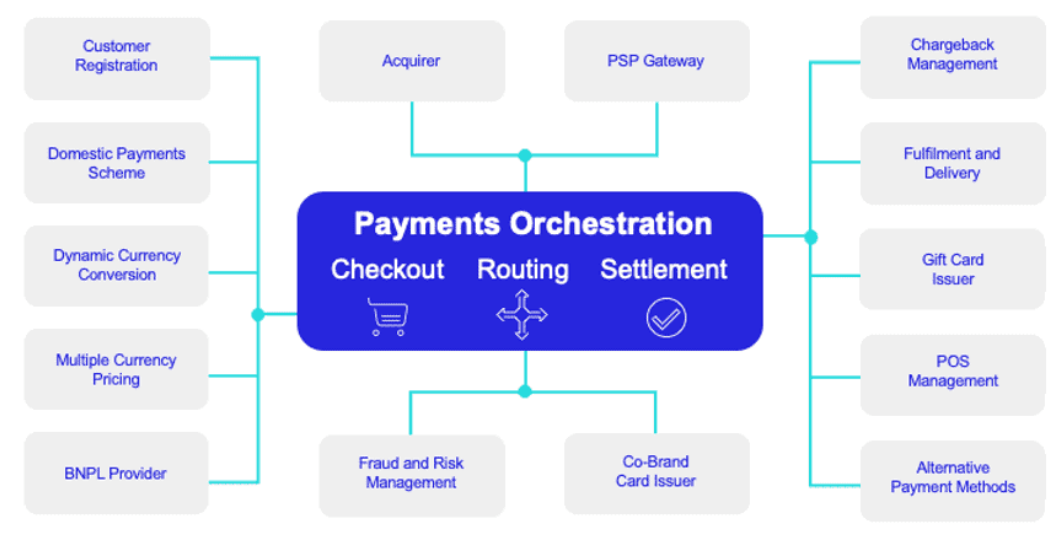
A comprehensive technical, financial, and operational guide to multi-processor payment architectures for scaling global enterprise brands.
Read Strategy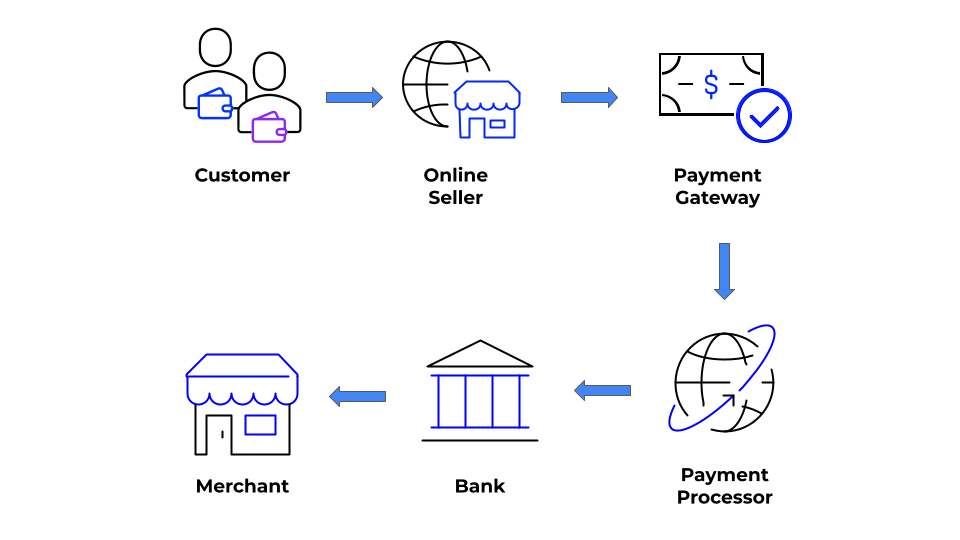
A comprehensive technical, financial, and operational guide to the data flows, authorization lifecycles, and security protocols powering digital transactions.
Read Strategy