What Is Payment Orchestration? Everything You Need to Know
A comprehensive technical, financial, and operational guide to multi-processor payment architectures for scaling global enterprise brands.
Read Strategy
Discover top payment processors, comparing Stripe, Adyen, Checkout.com, and PayPal based on pricing, features, integrations, and global scalability.
Choosing the right payment gateway is one of the most critical structural decisions an early-stage company makes. The payment infrastructure you implement directly influences checkout conversion rates, international expansion velocity, cash flow predictability, and long-term technical debt.
For high-growth startups, a payment gateway must go beyond simple credit card processing. It needs to support multi-currency settlement, localized payment methods, robust fraud mitigation algorithms, low latency developer APIs, and transparent pricing structures. Selecting a processor that fails to scale with your transaction volume can lead to unexpected account freezes, elevated chargeback rates, and costly migration projects down the road.
At TY ALPHA, TECHNOLOGY, we specialize in building fast, secure, and fully customized web development and payment infrastructure solutions. We have created this comprehensive evaluation guide to help startup founders and technical leaders navigate processing models, compare top gateway features, and select the ideal payment partner for their business model.
If you need professional guidance configuring multi-gateway routing pipelines, setting up global merchant accounts, or building custom checkout workflows, our engineering team is ready to assist. Simply click the link at the bottom of the page to connect with our solution specialists.

Evaluating payment gateways requires looking beyond superficial processing rates to analyze four key architectural features:
Founders typically choose between two primary processing models: Payment Service Providers (Payment Aggregators) and Dedicated Merchant Accounts.
Platforms like Stripe and PayPal operate as aggregators, pooling thousands of sub-merchants under a single master merchant account. This structure allows instant onboarding with zero setup fees—making it ideal for early-stage validation. Conversely, direct merchant account providers and enterprise processors like Adyen or Checkout.com require rigorous underwriting but deliver lower interchange rates, direct bank connections, and greater account stability as processing volumes cross enterprise thresholds.
At TY ALPHA, TECHNOLOGY, we assist growing businesses in designing hybrid processing architectures, orchestrating seamless gateway transitions as transaction volumes scale.
Comparing industry-leading payment gateways across critical performance, cost, and technical metrics:
| Payment Provider | Ideal Business Model | Standard Pricing Structure | Key Strengths | Potential Drawbacks |
|---|---|---|---|---|
| Stripe | Developer-led SaaS, Marketplaces, and E-commerce startups. | 2.9% + $0.30 (Pay-as-you-go flat rate). Custom enterprise tiers available. | Industry-leading APIs, Stripe Billing ecosystem, rapid setup, extensive documentation. | Higher volume processing costs compared to direct IC+ pricing models. |
| Adyen | Scale-ups, enterprise retail, and omnichannel platforms. | Interchange++ ($0.13 processing fee per transaction + scheme fee). | Direct card acquiring, unified global commerce, exceptionally high authorization rates. | Strict onboarding requirements; requires high monthly processing volumes. |
| Checkout.com | High-volume e-commerce, digital products, and fintech brands. | Custom Interchange+ (Tailored based on volume and risk profile). | Granular transaction data, specialized high-risk acquiring, low cross-border fees. | Not optimized for early pre-revenue micro-startups needing instant setup. |
| PayPal (Braintree) | Direct-to-Consumer (DTC) brands and consumer marketplaces. | 2.59% + $0.49 (Standard card processing via Braintree engine). | Massive consumer trust, high brand recognition, seamless 1-click checkout buttons. | Higher dispute handling friction and occasional account reserve holds. |
Integrating modern payment gateways requires combining secure frontend elements with resilient backend API routing.
To maintain full PCI-DSS compliance while offering custom checkout interfaces, startups use tokenized client
components (such as Stripe Elements or Braintree Drop-in UI). Non-sensitive payment tokens are passed from
the client frontend to your backend API, which initiates payment creation requests to the processor
endpoint. Real-time webhooks listen for asynchronous status updates (e.g.,
payment_intent.succeeded, charge.failed), triggering automated order fulfillment,
subscription provisioning, or fallback recovery flows.
Building this modular integration decouples your platform logic from any single provider, making it straightforward to implement multi-gateway fallback routing as your startup grows.
Relying on a single payment processor can expose your startup to unexpected downtime or regional processing outages.
High-growth companies implement intelligent payment routing layer architectures. By dynamically routing transactions based on card issuer origin, transaction value, and processing health, startups maximize authorization rates while reducing cross-border fees.
To systematically evaluate, integrate, and launch your payment infrastructure, we recommend a structured 6-step engineering process:
Identify primary target geographies, recurring revenue needs, expected average order value (AOV), and customer payment preferences.
Compare total cost structures (flat-rate vs. IC+) and calculate volume breakpoints to select the initial gateway partner.
Prepare necessary incorporation documentation, establish terms of service, and verify PCI-DSS compliance requirements.
Implement secure client tokenization elements and build backend API webhook endpoints to process transaction status signals.
Execute end-to-end sandbox testing covering success paths, 3DS authentication triggers, declined cards, and refund requests.
Deploy to live production, monitor authorization success percentages, and track net processing fees across all channels.
Selecting and integrating the right payment gateway gives your startup a durable competitive advantage—boosting checkout conversions, reducing processing overhead, and enabling global scaling.
Whether you are launching your first MVP, integrating recurring SaaS billing, or engineering custom multi-gateway routing systems, our technical team is ready to help. The development specialists at TY ALPHA, TECHNOLOGY excel at building fast, secure, and revenue-optimized web architectures engineered for commercial success.
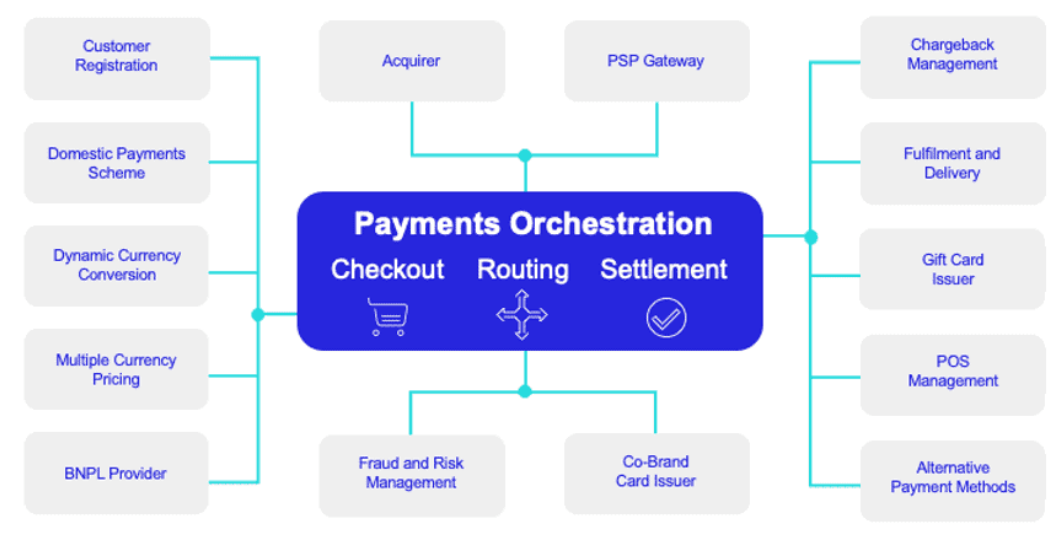
A comprehensive technical, financial, and operational guide to multi-processor payment architectures for scaling global enterprise brands.
Read Strategy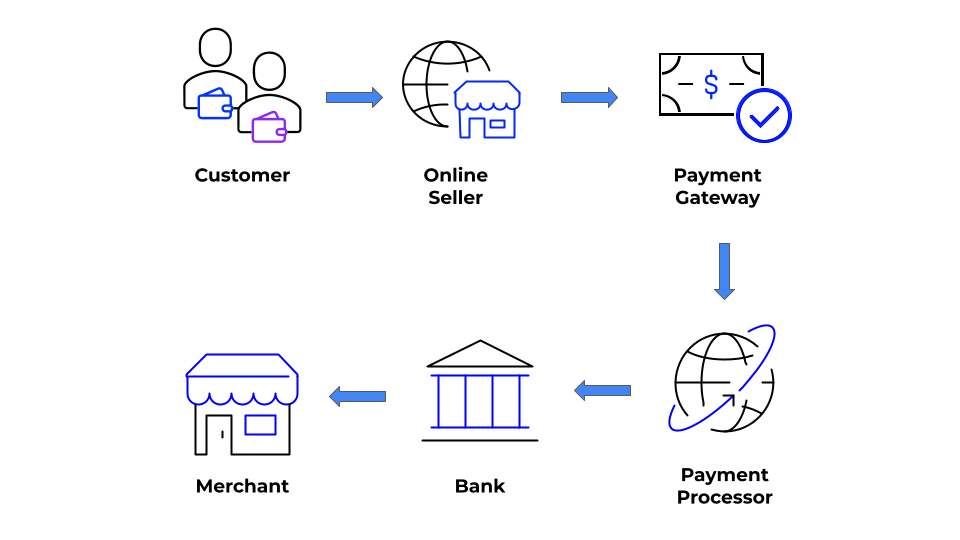
A comprehensive technical, financial, and operational guide to the data flows, authorization lifecycles, and security protocols powering digital transactions.
Read Strategy