What Is Payment Orchestration? Everything You Need to Know
A comprehensive technical, financial, and operational guide to multi-processor payment architectures for scaling global enterprise brands.
Read Strategy
A comprehensive technical, financial, and operational guide to 3DS protocols, risk-based authentication, and friction-free payment protection.
As online commerce volume continues to expand globally, protecting digital transactions against sophisticated fraud vectors while maintaining a seamless checkout experience has become a primary operational challenge. Card-Not-Present (CNP) fraud, account takeover attacks, and automated credential stuffing threaten merchant revenue, increase chargeback overhead, and damage consumer trust.
3D Secure (3DS) authentication serves as the global security protocol designed specifically to verify cardholder identity during Card-Not-Present transactions. By creating a direct cryptographic authentication link between the merchant checkout, the card network, and the card issuing bank, 3DS confirms customer authenticity before payment authorization takes place—enabling robust security without needlessly interrupting legitimate purchases.
At TY ALPHA, TECHNOLOGY, we specialize in building fast, secure, and fully customized web development and payment infrastructure solutions. We have created this practical operational guide to give you an in-depth understanding of 3D Secure mechanics, protocol evolution, liability shift advantages, and step-by-step implementation workflows.
If you need professional assistance configuring dynamic 3DS rules, implementing friction-free biometric authentication, or optimizing checkout conversion flows, our technical team is ready to help. Simply click the link at the bottom of the page to connect with our solution specialists.
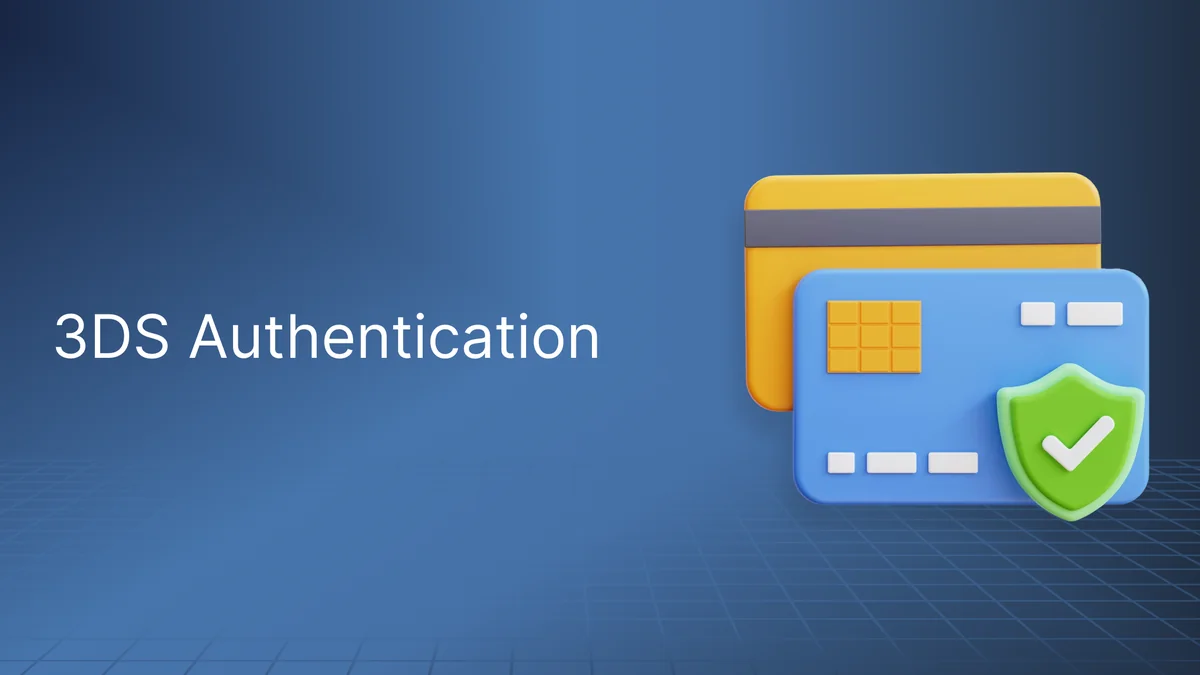
Modern 3D Secure (3DS2) replaces legacy pop-up windows with background data exchange, delivering key capabilities for digital storefronts and enterprise platforms:
One of the most strategic advantages of implementing 3D Secure is the financial protection provided by the Liability Shift mechanism.
Under standard processing, the merchant absorbs the full financial loss, chargeback fees, and dispute costs if a stolen card is used at checkout. However, when a transaction is successfully authenticated via 3DS, financial liability for fraudulent chargebacks shifts from the merchant to the card issuing bank. This protection significantly reduces dispute management costs while allowing merchants to accept higher-value international orders with confidence.
At TY ALPHA, TECHNOLOGY, we help enterprise businesses configure intelligent 3DS triggers, audit fraud risk rules, and optimize payment processing pipelines to secure maximum chargeback protection.
Evaluating the structural, technical, and conversion differences between payment authentication generations:
| Evaluation Criteria | Legacy 3DS 1.0 | Modern 3DS 2.0 / 2.3 |
|---|---|---|
| Customer User Experience | Static pop-up windows and redirect screens requiring manual static passwords. | In-app embedded micro-iframes, native biometrics, and seamless background checks. |
| Telemetry Data Exchanged | Minimal data points (6–8 basic fields), forcing frequent manual challenges. | Rich telemetry (100+ data fields), enabling seamless risk-based background approvals. |
| Mobile & App Optimization | Poor mobile responsiveness; high cart abandonment on smartphones. | Native iOS and Android SDK support optimized for mobile checkout funnels. |
| Exemption Management | No support for regulatory exemptions; forces mandatory challenges. | Supports low-risk, low-value, and trusted merchant exemptions dynamically. |
| Average Cart Completion | Lower conversion due to checkout friction and pop-up blocking software. | Significantly higher completion rates due to friction-free risk scoring. |
Integrating 3D Secure into modern web applications balances real-time risk evaluation with fast frontend rendering using modular client SDKs and backend API orchestration.
The client-side component captures browser fingerprint data and securely transmits it to a dedicated
3DS Server component during checkout initiation. The 3DS Server routes the data payload
through the card network Directory Server to the Access Control Server (ACS) at the issuing bank. The ACS
evaluates the risk parameters instantly and returns either an ARES (Authentication Response)
approving frictionless completion, or triggers a challenge flow. Once authenticated, a unique 3DS token
(CAVV/TAVV) is appended to the payment authorization request sent to your gateway.
This API-driven architecture guarantees low latency execution, complete PCI compliance, and seamless fallbacks across all major payment gateways.
Maximizing revenue requires applying 3D Secure strategically rather than enforcing challenges universally.
Advanced payment infrastructures utilize dynamic rule engines to request regulatory exemptions—such as Low-Value Transactions (under €30), Transaction Risk Analysis (TRA) exemptions, and Trusted Beneficiary Lists. By requesting exemptions automatically for low-risk purchases, merchants maximize checkout speed while retaining full fraud protection for higher-risk orders.
To systematically design, configure, and deploy 3D Secure authentication across your checkout infrastructure, we follow a structured 6-step engineering methodology:
Evaluate chargeback rates, identify geographic transaction profiles, and map regulatory authentication mandates (SCA) across target markets.
Embed lightweight client SDKs or Web Components into the checkout frontend to handle browser fingerprinting and challenge rendering.
Configure backend API connections between your server, the 3DS Server, and payment gateway authorization endpoints.
Define custom routing rules to apply 3DS conditionally based on order value, customer risk score, geolocation, and acquirer TRA thresholds.
Execute end-to-end test scenarios in sandbox environments, validating frictionless responses, biometric challenges, soft declines, and fallback flows.
Deploy to production, verify liability shift indicators on settled authorizations, and track conversion rates across friction-free versus challenge flows.
Implementing modern 3D Secure authentication equips your online business with robust fraud defense, eliminates chargeback exposure through liability shifts, and maintains high conversion rates.
Whether you are optimizing an e-commerce platform, integrating native mobile SDKs, or building custom payment routing pipelines, our developer team is fully prepared to handle your project. The engineering specialists at TY ALPHA, TECHNOLOGY excel at building lightning-fast, ultra-secure, and revenue-optimized web architectures built for long-term commercial success.
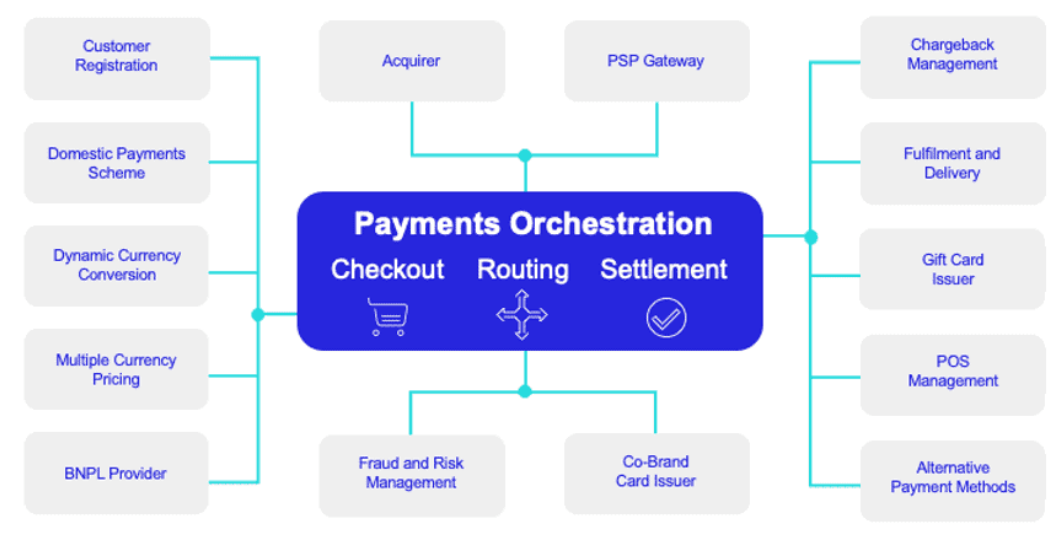
A comprehensive technical, financial, and operational guide to multi-processor payment architectures for scaling global enterprise brands.
Read Strategy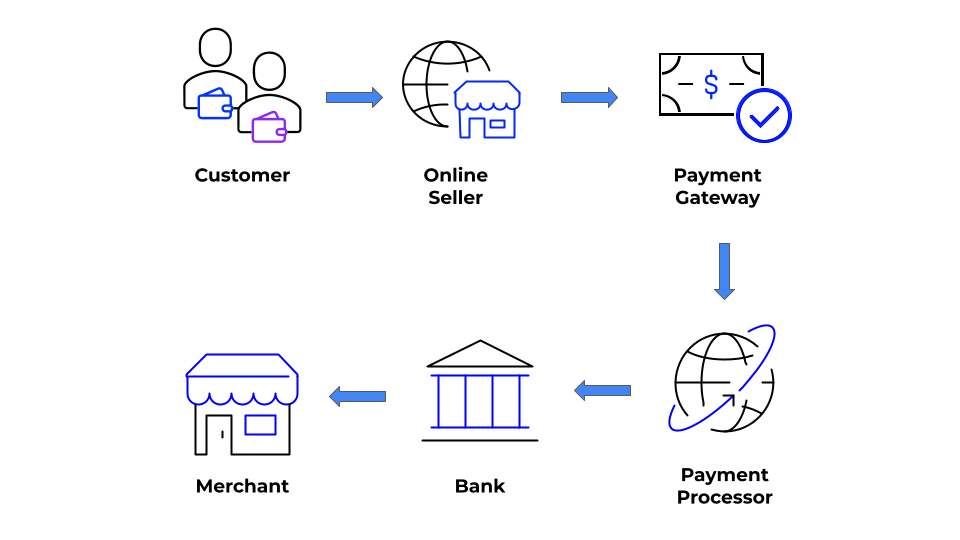
A comprehensive technical, financial, and operational guide to the data flows, authorization lifecycles, and security protocols powering digital transactions.
Read Strategy