Requirements for Opening a Payoneer Account
A comprehensive legal, technical, and operational guide to verification documents, global receiving accounts, and payment gateway integration for digital businesses.
Read Strategy
A comprehensive legal, regulatory, and operational guide to documentation, compliance standards, and corporate bank account setup in the United States.
Establishing a commercial bank account in the United States is a critical operational milestone for domestic and international corporations, tech ventures, and commercial enterprises. As global regulatory standards tighten, financial institutions must enforce rigorous Know Your Customer (KYC), Anti-Money Laundering (AML), and Customer Due Diligence (CDD) protocols before onboard entities.
Opening a US commercial account requires clear corporate structuring, precise documentation, and full compliance with federal frameworks administered by the Financial Crimes Enforcement Network (FinCEN). By maintaining systematic operational records and proving transparent corporate ownership, businesses can ensure seamless approval across top-tier national banks and specialized commercial financial institutions.
At TY ALPHA, TECHNOLOGY, we specialize in building fast, secure, and fully customized web development and payment infrastructure solutions. We have created this practical operational guide to give you an in-depth understanding of US corporate banking requirements, document verification protocols, beneficial ownership rules, and step-by-step account opening workflows.
If you need professional assistance configuring integrated payment gateways, setting up multi-currency merchant pipelines, or building corporate web infrastructure, our technical team is ready to help. Simply click the link at the bottom of the page to connect with our solution specialists.

US commercial banking institutions require specific legal identification elements to verify company standing, taxation compliance, and officer authorization:
Securing an active commercial bank account in the US provides companies with significant legal, operational, and financial advantages in international markets.
Having direct access to the US banking rails (ACH, FedWire, SWIFT) reduces foreign exchange friction, stabilizes cross-border transactions, and simplifies integration with major payment processors like Stripe, Authorize.Net, and PayPal Commercial. Furthermore, holding a verified US banking footprint increases commercial credibility with enterprise clients, vendor partners, and global institutional investors.
At TY ALPHA, TECHNOLOGY, we help enterprise businesses configure intelligent payment routing, optimize checkout architectures, and integrate robust financial software APIs to support international expansion.
Evaluating structural, operational, and integration differences between traditional brick-and-mortar commercial banks and modern FinTech financial platforms:
| Evaluation Criteria | Traditional Commercial Banks | Modern FinTech Banking Platforms |
|---|---|---|
| Identity Verification & Onboarding | Often requires in-person branch visits by authorized signatories or notarized ID verification. | 100% digital onboarding with automated document verification and remote e-KYC checks. |
| Physical & In-Person Presence | Requires a physical US business address or physical presence of company officers. | Flexible address requirements for US-registered entities managed by non-US residents. |
| API & Software Integration | Legacy online banking portals with restricted custom API access for financial engineering. | Developer-first REST APIs for instant reconciliation, custom webhooks, and ERP syncing. |
| International Wire & FX Overhead | Higher flat transaction fees and unfavorable currency conversion markups on international wires. | Competitive FX rates, multi-currency wallets, and low-cost transparent wire rails. |
| Federal Deposit Insurance (FDIC) | Direct FDIC coverage up to $250,000 per depositor, per insured commercial bank. | Indirect FDIC coverage passed through partner chartered banks holding underlying deposits. |
Integrating a US commercial account into modern digital platforms requires seamless data exchange across payment gateways, merchant acquiring accounts, and web application frontends.
The merchant system initiates payment authorizations using secure client SDKs, transmitting transaction details to payment processors via encrypted API endpoints. Upon successful settlement, funds are automatically batch-cleared through ACH networks into your US commercial account. Integrating automated webhooks ensures real-time ledger updates, automated invoice reconciliation, and fraud control triggers within your core web architecture.
This API-driven architecture guarantees low latency execution, complete PCI-DSS compliance, and smooth settlement workflows across multi-currency web environments.
Ensuring ongoing account stability requires maintaining absolute compliance with US banking rules and IRS regulations.
Banks conduct periodic compliance checks, monitoring for unusual transaction spikes, unverified international transfers, or changes in company leadership. Maintaining active legal standing, filing state annual reports, keeping clear operational contracts, and using dedicated US corporate addresses prevents account freezes and ensures uninterrupted processing capacity for global operations.
To systematically prepare documentation, satisfy compliance rules, and activate your US corporate account, follow this structured 6-step engineering methodology:
Register your LLC or C-Corporation with the Secretary of State (e.g., Delaware, Wyoming) and obtain official Articles of Organization/Incorporation.
Apply for and receive your official IRS EIN confirmation letter (Form SS-4), required for federal identification and tax verification.
Draft and execute company bylaws, operating agreements, and banking resolutions identifying authorized account signatories and officer powers.
Collect unexpired passports, proof of residential addresses, and ownership declarations for all individuals holding 25% or more equity.
Submit documents to your chosen financial institution for legal review, risk evaluation, and background verification under FinCEN standards.
Fund the initial deposit, set up online banking credentials, issue corporate credit/debit cards, and integrate bank routing details into payment processors.
Structuring your US corporate bank account sets the foundation for high-growth e-commerce operations, dynamic payment processing, and scalable digital infrastructure.
Whether you are deploying custom e-commerce engines, setting up global payment gateways, or engineering robust web applications, our developer team is fully prepared to handle your project. The engineering specialists at TY ALPHA, TECHNOLOGY excel at building lightning-fast, ultra-secure, and revenue-optimized digital systems built for long-term commercial success.
A comprehensive legal, technical, and operational guide to verification documents, global receiving accounts, and payment gateway integration for digital businesses.
Read Strategy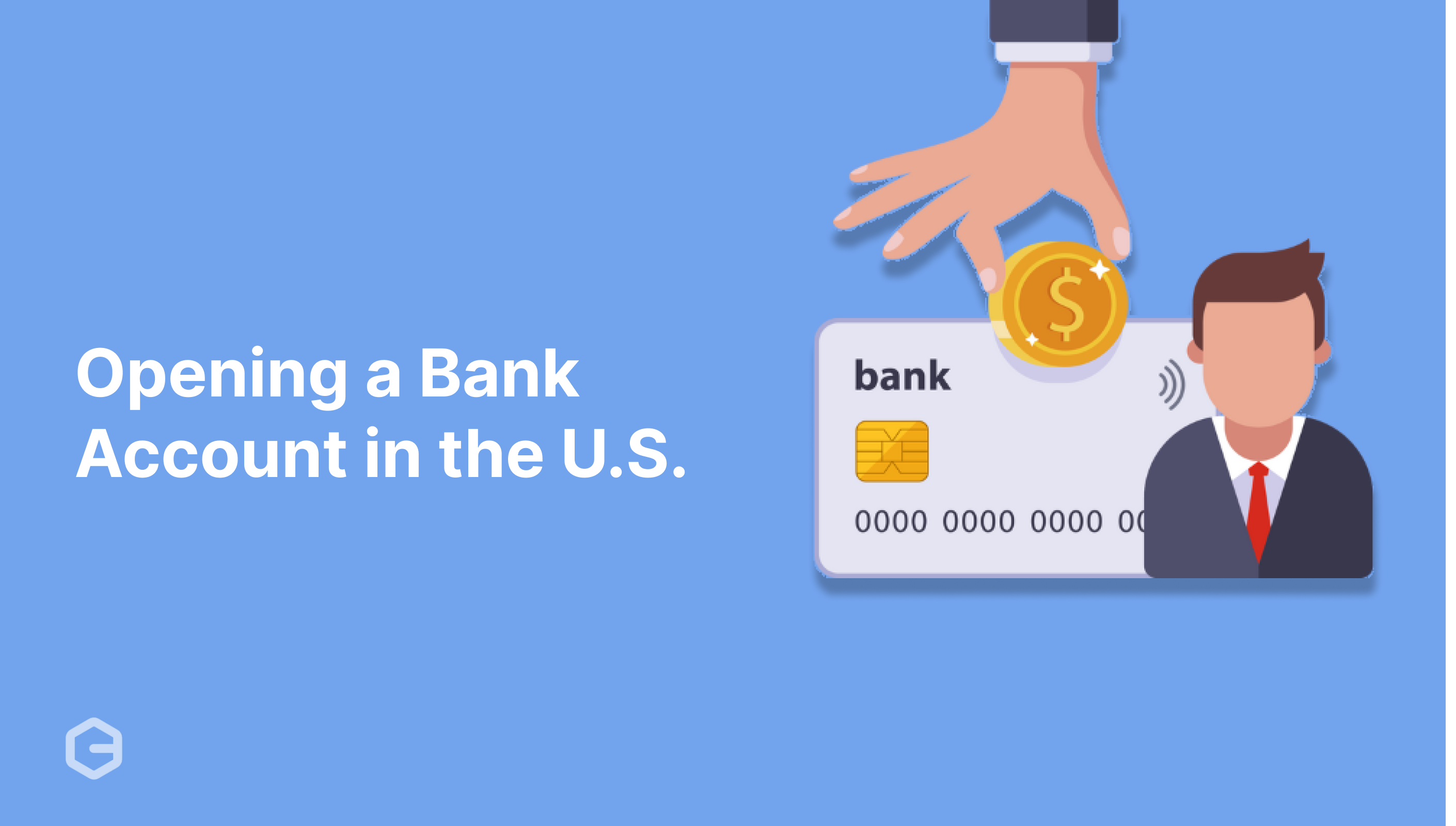
A comprehensive operational guide evaluating top financial institutions, fintech platforms, payment gateway integrations, and treasury solutions for digital storefronts.
Read Strategy