How Internal Links Help Search Engines Understand Your Website

    Master the art of internal link architecture to build strong topical hierarchies, guide search engine crawlers, and optimize authority distribution across your digital ecosystem. Harness strategic contextual linking to clarify site structure, improve indexation, and drive long-term organic growth.

    The Architectural Blueprint: How Internal Link Networks Define Topical Authority

    For enterprise brand managers, technical SEO leads, and content architects, building search engine visibility requires more than publishing high-quality individual pages. Your internal link infrastructure serves as the central nervous system of your website—establishing clear pathways for crawlers while mapping the semantic relationships between your content assets. Historically, internal linking was often treated as an afterthought or a basic navigational necessity. Today, as search algorithms rely heavily on entity mapping, topical clustering, and PageRank flow, internal link optimization has become a high-leverage growth science. At TY ALPHA, TECHNOLOGY, we recognize that while individual URLs host your messaging, long-term search dominance depends on how effectively those URLs connect within a unified site structure.

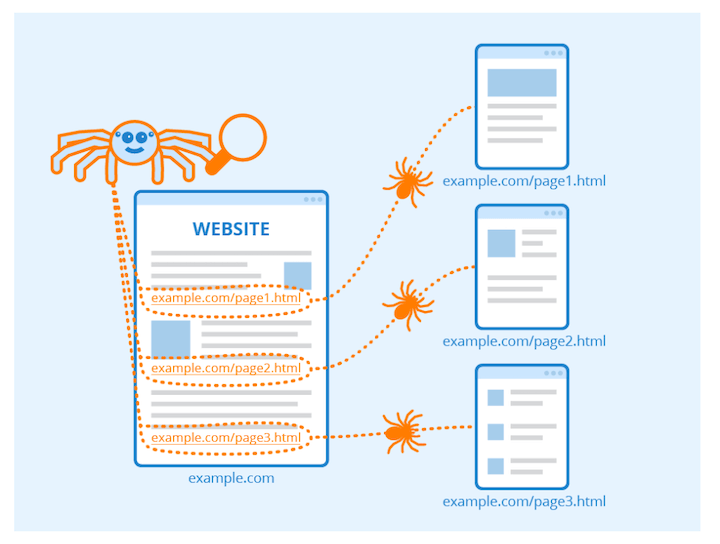
    Search engine crawlers use internal links to discover new content, determine page relevance, and evaluate the relative importance of every URL across your domain. Simultaneously, human users rely on contextual links to navigate deeper into your site, expanding their sessions and consuming related insights seamlessly. By combining descriptive anchor text with logical link hierarchies, you signal to search engines which pages serve as pillar resources and how supporting topics reinforce overall domain authority.

    However, engineering an effective internal linking network goes beyond adding random hyperlinks—it demands strategic anchor text selection, crawl budget optimization, and balanced link equity distribution.

    If you need professional assistance designing programmatic internal linking strategies, auditing complex crawl paths, or scaling custom web architecture, our engineering team is ready to assist. Click the link at the bottom of the page to connect with our search systems specialists.
    Internal Link Architecture and Topical Hierarchy Optimization Systems by TY ALPHA TECHNOLOGY

    The Core Pillars of Strategic Internal Linking Architecture

    To build a robust link ecosystem that maximizes crawl efficiency and search visibility, focus on these five foundational pillars:

    • Topical Clustering & Pillar Networks: Connecting detailed supporting articles back to core pillar pages using contextually relevant links to solidify authoritative content hubs.
    • Descriptive & Varied Anchor Text: Utilizing natural, keyword-rich anchor phrases that provide explicit context to search engines about the destination page's core topic.
    • PageRank & Authority Flow Optimization: Directing internal link equity from high-authority URLs to high-value conversion pages or newly published assets needing indexing momentum.
    • Crawl Depth & Architecture Flattening: Structuring internal pathways to ensure priority pages remain accessible within 3 to 4 clicks from the homepage, maximizing crawl efficiency.
    • Contextual Link Placement: Integrating links naturally within the main body copy where search crawlers assign higher contextual weight compared to boilerplate footers or navigation bars.

    The Interconnection Advantage: Maximizing Authority Without External Acquisition

    The primary commercial benefit of systematic internal link optimization is the ability to unlock untapped ranking potential across existing URLs without relying exclusively on external backlink campaigns. Strategic internal links pass accumulated link equity throughout your domain, lifting the performance of secondary pages and newly created content assets.

    A well-structured internal link network also prevents orphan pages, reduces crawl waste, and clarifies topical boundaries across your product or service lines. At TY ALPHA, TECHNOLOGY, we help web directors build scalable linking frameworks that transform isolated pages into interconnected, high-performing organic growth engines.


    The Internal Linking Matrix: Comparing Link Types and Algorithmic Impact

    This structured matrix evaluates the focus, implementation scope, and strategic value of core internal linking methodologies:

    Internal Link Pattern Core Architectural Focus Long-Term Impact on Indexation & Rankings
    Contextual Body Links **Semantic Relevance Priming.** Embeds links directly within main article paragraphs using natural keyword variations as anchors. **Maximum Algorithmic Weight.** Delivers strong topical context and high PageRank transfer directly to target destination pages.
    Hub-and-Spoke Pillar Links **Topical Hierarchy Structural Alignment.** Links cluster articles bi-directionally to a main categorical pillar page. **Domain Authority Multiplier.** Establishes dominant topical expertise across entire subject categories in competitive search spaces.
    Breadcrumb Navigation Links **Structural Pathway Mapping.** Displays hierarchical navigation trails near the top of pages for both users and crawlers. **Enhanced SERP Snippets.** Clarifies site taxonomy for search engines while frequently appearing as rich breadcrumb snippets in search results.
    Cross-Pollination Links **Related Content Discovery.** Features related articles or complementary product modules across different site categories. **Increased Session Dwell Time.** Drives user discovery across diverse categories while passing authority to secondary assets.

    Navigating Link Efficiency: Avoiding Over-Optimization and Broken Pathways

    A frequent trap for scaling enterprise platforms is relying on automated, site-wide dynamic link blocks or repetitive exact-match anchor text across thousands of pages. While sitewide navigation links are necessary for user orientation, unmanaged automation can dilute link equity, create redundant pathways, and present unnatural linking patterns to search crawlers. When crawlers encounter excessive or irrelevant links, the contextual signal of each individual link drops significantly.

    Additionally, failing to audit internal links leads to broken redirects, 404 errors, and orphan pages that drain crawl budget and frustrate users. To build a reliable internal framework, your engineering and SEO teams must combine automated link rules with strategic manual oversight—ensuring every link serves a clear structural and navigational purpose.


    Executing an Internal Link Architecture Strategy: A 6-Step Implementation Guide

    To build and deploy a high-performing internal linking framework across your website, follow these six implementation steps:

    1. Map Your Core Content Clusters and Pillar Pages

    Identify primary category hubs (pillar pages) and group supporting articles (spokes) into distinct, topic-focused content families.

    2. Audit Existing Link Architecture and Crawl Depth

    Perform a site-wide crawl to detect orphan pages, evaluate link depth distributions, and isolate broken internal links or unnecessary redirect chains.

    3. Define Descriptive Anchor Text Guidelines

    Establish anchor text standards that prioritize natural, informative keyword phrases over generic terms like "click here" or "learn more."

    4. Implement Contextual Hub-to-Spoke Linking

    Link supporting cluster pages back to their respective main pillar page, and cross-link related supporting assets within the same topic family.

    5. Distribute Equity from High-Authority URLs

    Identify your domain's top backlink targets and add contextual body links from those pages to high-priority URLs that need a ranking boost.

    6. Monitor Crawl Rates and Indexation Efficiency

    Track Google Search Console crawl statistics and indexation status regularly to verify that search bots navigate updated pathways effectively.


    Ready to Optimize Your Internal Link Network and Drive Search Performance?

    Building a strategic internal linking architecture is a vital technical milestone—it eliminates indexing bottlenecks, accelerates authority distribution, and helps search engines fully comprehend your website's value.

    If your organization requires an enterprise link architecture plan, technical SEO auditing, or full-stack engineering support to scale your digital infrastructure, we are ready to assist. The development and search architecture team at TY ALPHA, TECHNOLOGY specializes in keeping complex digital ecosystems clear, structurally sound, and search-optimized—helping corporate leaders achieve sustained digital market leadership.