Internal Linking: How to Build a Strong Website Link Structure

    Engineer an intuitive, high-performing site architecture using strategic internal links. Harness the power of semantic link equity distribution to elevate search visibility, guide user navigation, and establish undisputed topical authority across your entire web ecosystem.

    The Digital Neural Network: How Strategic Internal Link Architecture Powers Modern Organic Dominance

    For enterprise domain managers, technical SEO leads, and digital growth directors, scaling organic visibility across thousands of URLs requires far more than publishing isolated, high-quality content. Without a deliberate internal link structure, high-value landing pages remain disconnected islands—difficult for search engine crawlers to discover and impossible for authority signals to reach. Historically, internal linking was treated as an afterthought or a basic navigational convenience. Today, the evolution of search engine link graph algorithms and semantic relationship parsing has turned internal linking into one of the most powerful leverage points in modern digital architecture. At TY ALPHA, TECHNOLOGY, we recognize that while individual links facilitate basic navigation, long-term search supremacy requires engineering an interconnected, data-driven web graph.

    Modern search engines rely on internal hyperlinks to crawl site structures efficiently, discover newly published URLs, and map the semantic relationships between different pages. Internal links function as structural conduits that distribute PageRank—or link equity—from high-authority hub pages down to deeper, high-intent conversion pages. By incorporating descriptive anchor text, contextual placement, and logical siloing, web teams establish clear topical hierarchies. Within moments of crawling an optimized link graph, search engine bots can evaluate page importance, understand topic clusters, and index your content accurately for complex, competitive search queries.

    However, engineering a resilient internal link structure extends beyond scattering hyperlinked keywords randomly across blog posts. To maximize crawl efficiency, build strong topical authority, and keep users engaged, creators must systematically balance link equity flow with front-end user experience and clear site navigation.

    If you need professional assistance auditing your site's link equity distribution, automating programmatic internal linking, or restructuring your enterprise web architecture, our engineering team is ready to assist. Click the link at the bottom of the page to connect with our search architecture specialists.

    Internal Link Structure and Web Architecture Engineering Systems by TY ALPHA TECHNOLOGY

    The Core Pillars of Strategic Internal Link Architecture

    To build a scalable internal linking network that satisfies both search engine indexing algorithms and user navigation needs, it helps to understand the foundational pillars driving the architecture:

    • Topical Content Siloing: Grouping related pages into distinct, structured content hubs connected through intentional bi-directional links, ensuring search engines recognize the complete semantic depth of your niche expertise.
    • Strategic Link Equity Distribution: Channelling accumulated PageRank from high-authority URLs (such as the homepage or popular resource hubs) to new or underperforming conversion pages that need ranking velocity.
    • Contextual Anchor Text Optimization: Utilizing descriptive, keyword-rich anchor text variations that clearly communicate the target page's core subject matter without triggering over-optimization algorithms.
    • Crawl Budget Optimization & Orphan Prevention: Eliminating isolated "orphan" pages by establishing clear link pathways, reducing overall crawl depth so search crawlers index deep URLs rapidly without wasting crawl resources.
    • Hierarchical Navigation Integration: Balancing contextual body links with global navigation headers, breadcrumbs, and footer links to establish a predictable, intuitive user flow across all device viewports.
    Internal Link Structure and Web Architecture Engineering Systems by TY ALPHA TECHNOLOGY

    The Authority & Indexation Advantage: Unlocking Organic Velocity Through Connected Systems

    The primary commercial benefit of deploying a systematic internal linking framework is the immediate amplification of your existing site authority. Unlike external link building—which depends on third-party publishers and external outreach—internal link optimization is 100% within your control. Re-architecting internal link pathways allows you to pass existing domain authority directly to strategic revenue-generating pages, lifting their rankings without spending extra capital on external links.

    Furthermore, a logical link architecture dramatically improves user engagement metrics. When visitors encounter relevant, contextual links within your content, they stay on your site longer, visit more pages per session, and move smoothly through the conversion funnel. At TY ALPHA, TECHNOLOGY, we help business leaders design internal link graphs that turn standalone content pieces into powerful, self-reinforcing organic engines.


    The Internal Linking Matrix: Comparing Structural Link Models and Strategic Impact

    This structured matrix evaluates the focus, technical implementation, and long-term search impact of primary internal link strategies across enterprise platforms:

    Link Architecture Model Core Structural Focus Long-Term Impact on Scalability & Customization
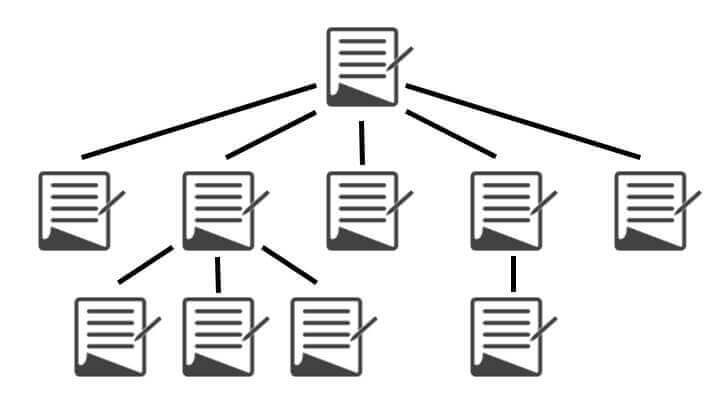
    Pyramid / Hub-and-Spoke Model **Hierarchical Authority Flow.** Connects a high-level topic hub to subordinate supporting pages and vice versa via structured breadcrumbs and contextual links. **Maximum Topical Authority.** Establishes undisputed category leadership and ensures new supporting articles instantly inherit hub equity.
    Contextual In-Content Linking **Semantic Relevance Placement.** Embeds hyperlinks directly within body paragraphs using contextual anchor text that matches user reading intent. **High PageRank Value.** Delivers maximum algorithmic weight per link while encouraging users to explore related topics naturally.
    Breadcrumb Trail Navigation **Structural Path Clarification.** Displays a clear, linear path from the homepage down to the current URL, reinforced with structured Schema markup. **Enhanced SERP Presentation.** Improves search engine snippet appearance with clean breadcrumb paths and improves mobile user navigation.
    Dynamic Related Modules **Automated Cross-Linking.** Uses algorithmic widgets or database tags to feature relevant products or articles at the end of pages. **Effortless Scale.** Keeps large-scale e-commerce and media catalogs interconnected automatically without requiring manual editor edits.

    Refining the Network: Why Automated Link Injection Requires Strategic Oversight

    A common mistake on growing websites is over-relying on unmanaged automated internal linking plugins. While automated scripts can quickly insert links across thousands of pages based on rigid keyword rules, unmonitored link automation often leads to unnatural link footprints. Over-saturating articles with dozens of identical exact-match anchor links creates visual clutter, dilutes individual link equity, and risks triggering spam or over-optimization filters from search engine algorithms.

    Additionally, internal links must align with user behavior and page load speed constraints. Excessive, redundant links in footers or sidebars introduce DOM bloat and distract users from primary calls-to-action (CTAs). To transform internal linking into a sustainable growth engine, your growth team must combine automated database structures with manual editorial refinement—ensuring every link serves a distinct navigational purpose and reinforces site authority.


    Deploying Your Internal Link Architecture: A 6-Step Implementation Guide

    To build a clean, authoritative, and search-optimized internal link structure across your website, follow these six steps:

    1. Audit Existing Site Link Graph and Crawl Depth

    Use site crawler tools to map your current link architecture. Identify orphan pages, high-crawl-depth URLs (>3 clicks from homepage), and pages with weak internal link counts.

    2. Define Core Topical Hubs and Target Assets

    Identify primary category hub pages and high-converting commercial landing pages that require extra authority to rank for competitive search terms.

    3. Establish Content Silos and Link Boundaries

    Group related articles into clear topical clusters. Ensure subtopics link upward to their parent hub page and cross-link laterally only to highly relevant cluster peers.

    4. Optimize Anchor Text Diversity and Context

    Craft varied, descriptive anchor text strings that naturally describe the destination URL's topic while avoiding repetitive exact-match keyword stuffing.

    5. Implement Structural Breadcrumbs and Schema Markup

    Deploy responsive, accessible breadcrumb trails across all subpages to reinforce hierarchical site structure for both human users and search crawlers.

    6. Establish Ongoing Internal Link Governance

    Integrate an internal link review step into your content publishing workflow. Whenever new content goes live, immediately add 3–5 contextual links to it from older, established URLs.


    Ready to Build a Fast, Connected, and High-Authority Digital Architecture?

    Engineering a strategic internal link structure is a foundational web milestone—it eliminates indexation bottlenecks, maximizes existing site authority, and determines how effectively your domain converts organic search traffic into long-term commercial success.

    If your organization requires a comprehensive technical site audit, programmatic internal link engineering, or full-stack web architecture support, we are ready to assist. The search and software engineering team at TY ALPHA, TECHNOLOGY specializes in keeping complex digital ecosystems clear, exceptionally fast, and search-optimized, helping corporate leaders build robust digital platforms designed for long-term market dominance.