Why Online Payments Matter More Than Ever in 2026
How businesses are adapting to faster, smarter, and more secure payment technologies.
Read Strategy
A clear, step-by-step technical and operational breakdown of payment gateway mechanics, architecture, and security for modern online businesses.
In modern e-commerce, placing an order takes only a fraction of a second from a customer’s perspective. With a single click or tap, a buyer submits their payment details, receives instant confirmation, and waits for order delivery. However, behind that seamless transaction lies an intricate, highly secure electronic sequence spanning multiple financial networks.
In 2026, understanding how payment gateways operate is essential for any business owner, online merchant, or digital startup founder. A payment gateway is much more than a simple checkout form on a website—it is the central security and communications layer that verifies data, prevents credit card fraud, and ensures money moves accurately between buyers and sellers.
At TY ALPHA, TECHNOLOGY, we specialize in building fast, secure, and fully customized web development and payment infrastructure solutions. We have created this beginner-friendly guide to demystify payment gateway technology, breaking down its inner workings, core components, and step-by-step transaction lifecycle.
If you need professional assistance integrating secure payment gateways, configuring custom payment APIs, or optimizing your checkout funnel, our technical team is ready to help. Simply click the link at the bottom of the page to connect with our solution specialists.
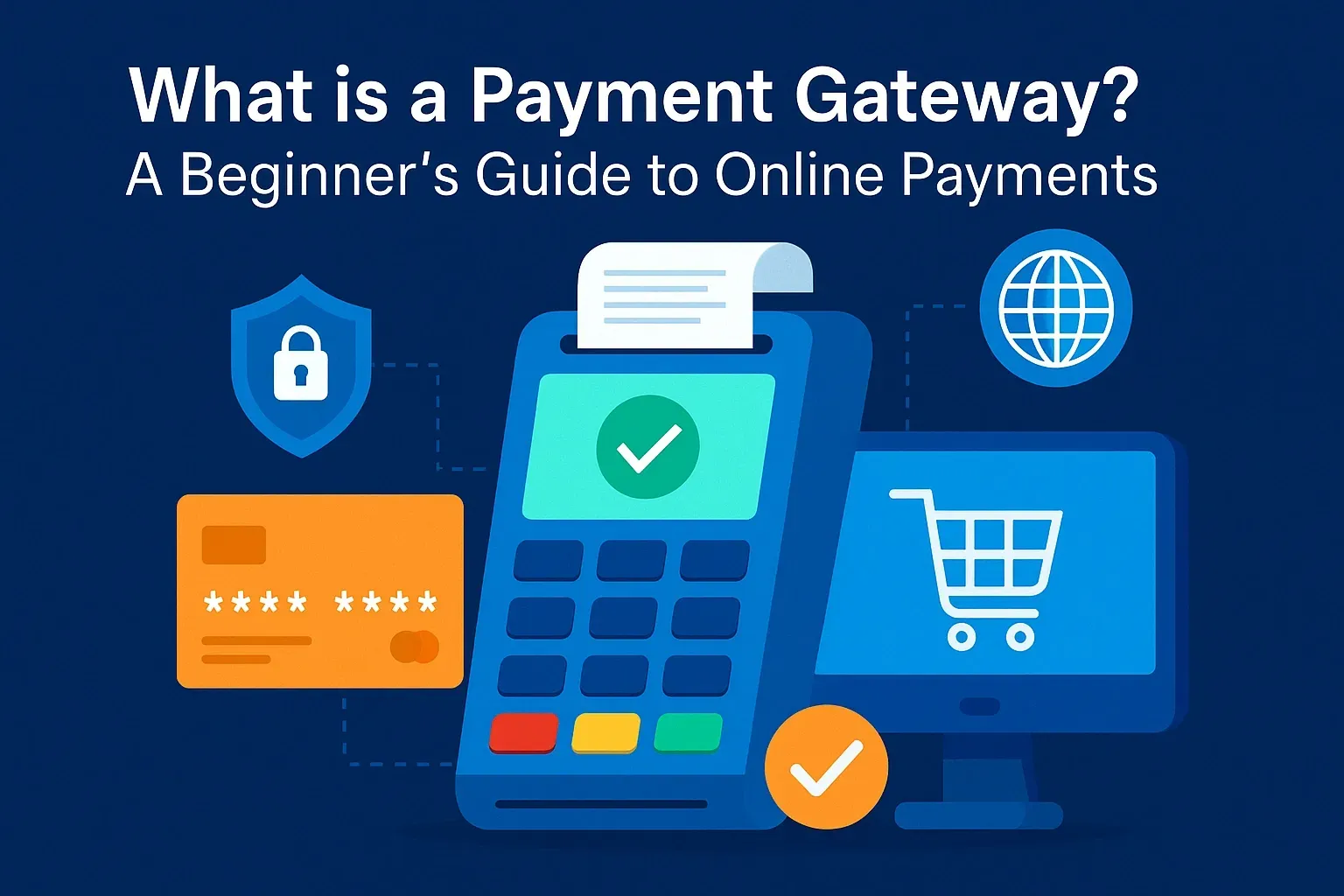
To understand how a payment gateway operates, it helps to first identify the four primary entities involved in every digital transaction:
The primary responsibility of a payment gateway is protecting sensitive payment details from cyber threats and data breaches.
When a customer enters their payment card information, the gateway instantly uses Encryption and Tokenization. Tokenization replaces sensitive 16-digit card numbers with a unique, randomized alphanumeric string (a "token"). This ensures that actual payment credentials are never stored on your website’s server, keeping your platform fully aligned with Payment Card Industry Data Security Standards (PCI DSS).
At TY ALPHA, TECHNOLOGY, we engineer checkout architectures that leverage secure tokenization, reducing PCI compliance requirements for business owners while maintaining top-tier data security.
Evaluating the technical and operational sub-steps executed during every online purchase:
| Transaction Phase | Technical Action Taken | Primary Responsible Entity |
|---|---|---|
| 1. Authorization | Payment data is captured, tokenized, encrypted, and routed to verify customer fund availability and fraud risk. | Payment Gateway + Card Network + Issuing Bank |
| 2. Capture | The approved funds are locked on the customer's card and prepared for transfer to the merchant account. | Payment Processor + Acquiring Bank |
| 3. Settlement & Payout | Batch processing moves actual funds from the issuing bank to the merchant’s bank account (typically within 1–3 business days). | Acquiring Bank + Merchant Financial Account |
While the complete payment lifecycle finishes with bank settlement, the actual authorization process takes less than two seconds. Here is the sequence:
1. Input: Customer enters card information on your website checkout form.
2. Encryption: The payment gateway encrypts card data client-side and transmits it
securely.
3. Verification: The gateway runs Address Verification (AVS), CVV checks, and anti-fraud
rules.
4. Routing: Data is forwarded to the card brand network (Visa, Mastercard, Amex).
5. Bank Decision: The issuing bank verifies available funds and returns an instant "Approved"
or "Declined" code.
6. Confirmation: The gateway receives the code, updates your website UI, and displays the
order confirmation page.
Beginners selecting a payment gateway must choose how the payment experience is presented to customers:
Hosted Payment Gateways (Redirects): Redirect buyers to an external page hosted by the
provider (e.g., standard PayPal checkout). They are easy to set up, but temporarily send buyers away from your
site.
Direct API / Inline Gateways: Keep buyers directly on your custom domain using embedded
fields or JavaScript components (e.g., Stripe Elements or Accept.js). This creates a seamless brand experience
and higher conversion rates.
To systematically select, configure, and launch a payment gateway on your online storefront, we follow a structured 6-step engineering methodology:
Identify your target region, accepted currencies, recurring billing needs, and estimated monthly sales volume.
Choose between an all-in-one provider (Stripe, PayPal) or a dedicated gateway and merchant account setup (Authorize.net, NMI).
Create developer accounts, obtain public/private API keys, and set up a sandbox testing environment.
Embed tokenized payment fields or express digital wallet buttons (Apple Pay / Google Pay) onto your checkout page.
Deploy secure server-side webhooks to update order statuses, send automated receipts, and adjust inventory automatically.
Perform sandbox test transactions, verify SSL certificate configuration, audit PCI SAQ compliance, and activate live payments.
Understanding how payment gateways work gives your business the foundation needed to build a secure, high-converting checkout experience that earns customer trust and scales revenue.
Whether you are launching your first online store, setting up subscription billing, or integrating custom payment APIs into an existing application, our engineering team is ready to execute your integration. The developer specialists at TY ALPHA, TECHNOLOGY excel at building ultra-fast, highly secure, and revenue-optimized web solutions designed for long-term commercial scale.

How businesses are adapting to faster, smarter, and more secure payment technologies.
Read Strategy
How modern payment solutions are making global transactions faster, safer, and more accessible.
Read Strategy