The Automated Checkout: Analyzing the Realities of Machine-Generated Retail Infrastructure
For scaling entrepreneurs, digital direct-to-consumer (DTC) brands, and modern marketing teams, the temptation
to completely automate web development is higher than ever. The promise of entering international retail
markets instantly through text-to-commerce models has fundamentally transformed traditional startup workflows.
Tasks that once required multi-week development sprints—such as writing responsive styling sheets, mapping
product variant databases, and wiring up functional checkout funnels—can now be executed by algorithms in
under a minute. At TY ALPHA, TECHNOLOGY, we believe that while this rapid speed is an
incredible asset for modern founders, deploying a sustainable digital business requires look past the initial
setup speed and taking a highly analytical look at the underlying code framework.
The integration of artificial intelligence into e-commerce operates on a spectrum of automation depth. On one
end, prompt-first builders (like Durable or Hostinger AI) handle everything from asset creation to hosting
with single-click simplicity. On the other end, advanced hybrid platforms (like Wix Studio AI or Webflow AI
co-pilots) use machine learning to assist human designers with complex responsive layouts without hiding the
underlying code block. While these automated systems successfully eliminate the high upfront development costs
that often stall new startups, they also introduce distinct technical trade-offs regarding data portability,
search engine visibility, and platform lock-in.
Trusting an AI engine with your main storefront transaction layer means balancing immediate operational
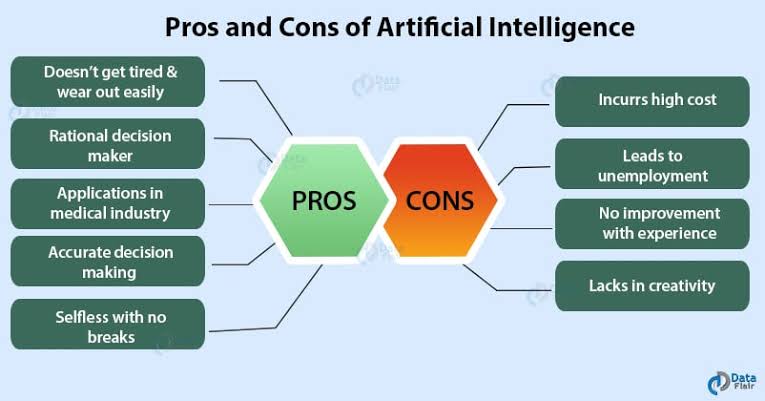
agility against long-term architectural limitations. This data-driven analysis breaks down the objective pros
and cons of AI-generated websites, providing the essential technical insights needed to determine if an
automated framework matches your multi-year commercial roadmap.